
What Should I Do Immediately After a Motorcycle Accident in California?
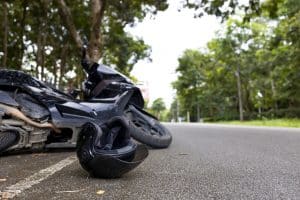 The minutes and hours following a motorcycle accident on California roads are chaotic. When a rider is exposed to the elements, even a low-speed collision with a passenger vehicle can cause significant physical and emotional trauma. Amidst the rush of adrenaline, what you do—and what you say—can drastically alter your physical recovery and your future legal rights.
California’s legal and insurance landscape requires strict adherence to specific procedures to protect your right to compensation. Whether you were riding along the Pacific Coast Highway or navigating stop-and-go traffic in Los Angeles, this guide outlines the critical, immediate steps you must take following a motorcycle crash.
1. Prioritize Immediate Safety and Assess for Injuries
Your first instinct may be to jump up, check your bike, or confront the driver who hit you. Resist these impulses. Adrenaline masks pain, and moving too quickly can exacerbate severe internal injuries, spinal trauma, or fractures.
- Move to Safety If Able: If you are physically able to move without causing further pain, clear yourself from the active flow of traffic to avoid a secondary collision.
- Keep Your Helmet On: Unless you are experiencing respiratory distress or a paramedic instructs you to remove it, leave your motorcycle helmet on. Removing a helmet incorrectly after a crash can worsen undetected cervical spine or neck injuries.
2. Call 911 and Request Emergency Personnel
In California, you should never settle a motorcycle accident with a “handshake agreement” or rely on a simple exchange of phone numbers. Call 911 immediately to ensure that both emergency medical technicians (EMTs) and law enforcement respond to the scene.
Under California Vehicle Code (CVC) § 20008, you are legally required to report any traffic accident resulting in injury or death to the California Highway Patrol (CHP) or the local police department within 24 hours. Allowing law enforcement to respond ensures an official traffic accident report is generated. This document acts as a foundational piece of evidence, capturing objective details such as road conditions, point of impact, and initial determinations of traffic violations.
3. Accept and Seek Medical Evaluation Right Away
Even if you believe you only suffered minor “road rash” or bruising, let responding EMTs evaluate you. If you are not transported to an emergency room by ambulance, visit an urgent care clinic or your primary physician on the same day as the accident.
Motorcyclists frequently suffer delayed-onset injuries. Internal bleeding, soft tissue damage, and traumatic brain injuries (TBIs) like concussions may not display symptoms until hours or days later when your adrenaline fades. From a legal standpoint, a delay in seeking medical care creates a gap in documentation. Insurance adjusters regularly use these gaps to argue that your injuries were either exaggerated or caused by an unrelated event after the crash.
4. Document the Scene and Collect Evidence
If you are physically capable—or if you have a passenger who can assist—use your smartphone to gather objective evidence before the scene is cleared and vehicles are moved.
+-----------------------------------------------------------------------+
|                       CRITICAL SCENE VISUALS                          |
+-----------------------------------------------------------------------+
| [ ] Property Damage: Close-ups of your bike and the striking vehicle  |
| [ ] Environmental Context: Skid marks, debris fields, oil slicks      |
| [ ] Traffic Controls: Nearby stop signs, stoplights, or lane markings |
| [ ] Physical Injuries: Visible lacerations, torn riding gear          |
+-----------------------------------------------------------------------+
A quick video walkthrough of the layout, narrating what you see, can also capture sightline obstructions or changing weather conditions that static photos might miss.
5. Exchange Information Pursuant to California Law
California Vehicle Code CVC § 16025 mandates that every driver involved in a property damage or injury accident must exchange specific information. Ensure you collect:
- Full legal name and contact details
- Driver’s license number and state of issuance
- Vehicle registration details
- Insurance provider name and specific policy number
Crucial Warning: Limit your interactions with the other driver to the exchange of these required facts. Avoid making statements like “I’m okay,” “I didn’t see you,” or “I’m sorry.” Even a polite apology can be twisted by an adverse insurance adjuster into an admission of fault or liability.
6. Identify Independent Eyewitnesses
Passersby, occupants of other vehicles, or pedestrians who witnessed the crash provide invaluable, unbiased perspectives. Because police officers do not always interview every person at a scene, actively ask witnesses for their names and telephone numbers before they walk away. Their statements can dismantle “he-said, she-said” disputes regarding who had the right-of-way.
7. Protect Your Claim: Avoid Recorded Statements
Within 24 to 48 hours of the accident, you will likely receive a phone call from the at-fault driver’s insurance company. The adjuster may sound empathetic, asking you to provide a recorded statement “just to get your side of the story.”
Do not provide a recorded statement to the other driver’s insurance company.
You are under no legal obligation to give an immediate statement to the adverse insurer. These professionals are trained to ask leading questions designed to minimize your injuries or shift fault onto you. Politely inform them that you are still undergoing medical evaluation and that all communications will go through your legal counsel.
The actions you take in the immediate aftermath of a motorcycle crash lay the foundation for your physical and financial recovery. By staying calm, securing medical care, protecting your words, and properly gathering evidence, you strip insurance adjusters of their favorite tactics to devalue claims. Navigating California’s insurance landscape alone while recovering from serious injuries is an uphill battle. If you or a loved one are dealing with the fallout of a collision, contacting an experienced Mission Viejo motorcycle accident attorney ensures your rights remain protected while you focus entirely on healing.
Legal Disclaimer: The information provided in this article does not, and is not intended to, constitute legal advice; instead, all information, content, and materials available in this post are for general informational purposes only. Information in this article may not constitute the most up-to-date legal or other information. Readers of this website should contact a qualified attorney to obtain advice with respect to any particular legal matter. No reader, user, or browser of this site should act or refrain from acting on the basis of information on this site without first seeking legal advice from counsel in the relevant jurisdiction.
