
What injuries are most common in Orange County truck accidents?
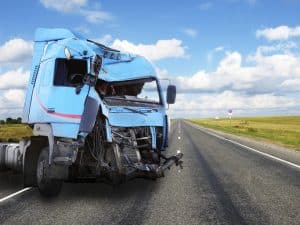 A collision with a commercial truck can cause injuries that are far more serious than those typically associated with a minor passenger-vehicle crash. The difference is not difficult to understand: semi-trucks, tractor-trailers, delivery trucks, and other large commercial vehicles can substantially outweigh the cars and SUVs sharing Orange County roads.
When that weight and momentum are involved in a crash, occupants of smaller vehicles can suffer significant trauma even when they were wearing a seat belt and their vehicle’s safety systems worked as intended.
At Banner Attorneys, we represent people injured in truck accidents throughout Mission Viejo and Orange County. While every collision is different, certain injuries appear frequently in serious commercial vehicle cases. Understanding those injuries—and their potential long-term consequences—is an important part of evaluating what a truck accident claim may actually be worth.
Why Truck Accidents Can Cause Severe Injuries
The forces involved in a truck crash can affect virtually every part of the body. An occupant may strike the steering wheel, dashboard, window, headrest, door, or another part of the vehicle. In a rollover or multi-vehicle collision, the body can be subjected to several impacts in only a few seconds.
The risk is not limited to a direct head-on collision. Serious injuries can occur when a truck rear-ends a passenger vehicle, forces a vehicle into another lane, causes a rollover, or strikes the side of a car where occupants have less structural protection.
National crash data illustrates the disparity between large trucks and smaller vehicles. According to the National Highway Traffic Safety Administration, crashes involving large trucks continue to cause thousands of deaths and injuries across the United States each year.
Traumatic Brain Injuries and Concussions
Head injuries are among the most concerning consequences of a serious truck collision. A traumatic brain injury, or TBI, can occur when a sudden blow, jolt, or movement disrupts normal brain function.
A person does not necessarily have to strike their head or lose consciousness to sustain a brain injury. The violent acceleration and deceleration of a crash can cause the brain to move within the skull.
Possible symptoms following a concussion or other TBI include:
- Persistent or worsening headaches
- Dizziness or balance problems
- Nausea or vomiting
- Difficulty concentrating
- Memory problems
- Blurred or altered vision
- Sensitivity to light or noise
- Unusual fatigue
- Changes in mood or behavior
- Feeling mentally “foggy” or slowed down
The Centers for Disease Control and Prevention notes that concussion symptoms may affect how a person feels physically as well as how they think, sleep, and regulate emotions.
That matters in an injury claim because the effect of a brain injury may not be adequately measured by an emergency room bill alone. Someone who continues to struggle with memory, concentration, headaches, or cognitive fatigue may have difficulty returning to the same job duties or maintaining their previous quality of life.
Neck, Back, and Spinal Cord Injuries
The neck and back absorb substantial force during a motor vehicle collision. Truck accident victims may suffer injuries ranging from muscle and ligament damage to fractured vertebrae, herniated discs, nerve injuries, and spinal cord trauma.
Symptoms may include pain, stiffness, weakness, tingling, numbness, radiating pain into the arms or legs, or reduced range of motion.
Some spinal injuries are immediately obvious. Others become more noticeable hours or days after the crash as inflammation and muscle spasms develop.
At the most serious end of the spectrum are spinal cord injuries. The Mayo Clinic identifies motor vehicle accidents as a common cause of spinal cord injuries. Damage to the spinal cord can result in partial or complete loss of movement or sensation and may require extensive rehabilitation and long-term medical care.
Broken Bones and Orthopedic Injuries
Fractures are also common when a passenger vehicle is struck by a commercial truck.
Depending on how the impact occurs, an occupant may suffer broken bones in the:
- Arms and wrists
- Hands and fingers
- Legs and ankles
- Feet
- Ribs
- Pelvis
- Shoulders
- Facial bones
A fracture is not always a straightforward injury that heals after several weeks in a cast. Complex fractures may require surgery, plates, screws, rods, physical therapy, and months of recovery. Some people are left with chronic pain, limited mobility, arthritis, or permanent restrictions.
For someone whose job depends on lifting, standing, driving, climbing, or other physical activity, an orthopedic injury may also affect earning capacity long after the initial medical treatment ends.
Shoulder, Knee, and Joint Injuries
Truck crashes can place tremendous stress on the body’s joints. Knees may strike the dashboard. A shoulder can be injured by the seat belt or force of the impact. Feet and ankles can become trapped or twisted when the passenger compartment is damaged.
Common joint injuries can include torn ligaments, damaged cartilage, rotator cuff injuries, meniscus tears, dislocations, and other soft-tissue damage.
These injuries can be particularly frustrating because a person may initially be able to walk or move the affected joint, only to experience increasing pain, swelling, instability, or loss of function later.
Diagnostic imaging and evaluation by an orthopedic specialist may be necessary to determine the actual extent of the injury.
Chest and Rib Injuries
Seat belts and airbags save lives, but the forces they manage during a high-impact collision can still contribute to significant chest injuries.
A truck accident victim may suffer fractured ribs, bruising, chest wall injuries, or damage to internal structures. A direct impact with the steering wheel or dashboard can cause additional trauma.
Rib fractures can be especially painful because breathing, coughing, sleeping, and ordinary movement may aggravate the injury. More serious chest trauma can affect the lungs or other internal organs and may require emergency intervention.
Internal Organ Injuries and Internal Bleeding
Some of the most dangerous truck accident injuries cannot be seen from the outside.
Blunt-force trauma to the torso can injure organs or blood vessels even when there is little visible damage to the skin. Internal bleeding or injury to the abdomen can become life-threatening without prompt medical treatment.
This is one reason someone involved in a substantial truck collision should not assume they are uninjured simply because they can walk away from the scene.
Severe abdominal pain, increasing tenderness, dizziness, weakness, fainting, difficulty breathing, confusion, or other concerning symptoms after a collision warrant immediate medical attention.
Facial Injuries and Lacerations
Broken glass, deployed airbags, vehicle debris, and contact with the dashboard or steering wheel can cause injuries to the face and head.
These injuries may include cuts, facial fractures, dental damage, eye injuries, and permanent scarring.
Facial trauma can require treatment from several types of medical professionals, including emergency physicians, dentists, oral surgeons, ophthalmologists, or plastic surgeons. Beyond medical expenses, visible scarring or disfigurement can have a lasting emotional and psychological impact.
Burn Injuries
Some commercial truck crashes involve fires, spilled fuel, hazardous cargo, or damaged electrical systems. When that happens, motorists may suffer thermal or chemical burns.
Severe burns can involve a lengthy and painful recovery process. Treatment may include hospitalization, wound care, surgery, skin grafting, infection management, and reconstructive procedures.
Burn injuries may also leave permanent scarring and changes in mobility, sensation, or appearance.
Crush Injuries and Amputations
The size of a commercial vehicle can result in extensive intrusion into the passenger compartment during a severe crash. Occupants may become trapped between damaged vehicle components or suffer crushing injuries to an arm, leg, hand, or foot.
Crush injuries can damage muscles, nerves, blood vessels, and bones simultaneously. In catastrophic cases, doctors may be unable to save the affected limb.
An amputation creates medical and financial consequences that can extend throughout a person’s lifetime. Prosthetics, rehabilitation, future surgeries, modifications to a home or vehicle, and reduced earning capacity may all become relevant when determining damages.
Psychological Injuries After a Serious Truck Crash
Not every injury appears on an X-ray or MRI.
A violent collision can also affect a person’s mental and emotional health. Someone who survived a frightening truck accident may experience anxiety, nightmares, sleep disturbances, fear of driving, difficulty riding in vehicles, or symptoms associated with post-traumatic stress.
These effects can interfere with work, relationships, parenting, recreation, and ordinary daily activities.
When psychological symptoms are significant, appropriate treatment and documentation can become an important part of both the person’s recovery and the evaluation of the overall injury claim.
Why You Should Get Medical Care Even If Your Injuries Seem Minor
Adrenaline can mask pain immediately after a crash. Other conditions, particularly concussions and some soft-tissue injuries, may produce symptoms that develop gradually.
For that reason, delaying treatment solely because you initially “feel fine” can be risky.
Seeking appropriate medical care serves two important purposes. First, it allows a healthcare professional to identify injuries and recommend treatment. Second, medical documentation creates a record connecting your symptoms and treatment to the collision.
Gaps in treatment can later become an issue in an insurance claim. An insurance carrier may argue that an injury was unrelated to the crash or was not as severe as claimed if there is a substantial delay between the collision and the first documented complaint.
The Full Impact of an Injury May Not Be Known Right Away
One of the biggest mistakes in a serious truck accident case is evaluating the claim only by looking at the bills that have already arrived.
Consider someone who fractures a leg in a crash. The initial hospital bill may represent only a fraction of the actual loss if that person later needs surgery, months of physical therapy, additional imaging, follow-up procedures, or substantial time away from work.
The same issue arises with brain, spinal, and orthopedic injuries. Doctors may need time to determine whether symptoms are temporary, whether additional treatment will be necessary, and whether the patient will be left with permanent restrictions.
Before accepting an insurance settlement, it is important to understand not only what the accident has already cost but also what the injury is reasonably expected to require in the future.
How Injuries Affect the Value of an Orange County Truck Accident Claim
The name of an injury does not determine what a truck accident case is worth.
Two people can suffer similar diagnoses and experience very different outcomes. One may return to work after several weeks, while another may require surgery and face permanent limitations.
Depending on the circumstances, compensation in a California truck accident claim may account for losses such as:
- Emergency medical treatment
- Hospitalization
- Surgery
- Diagnostic testing and imaging
- Physical and occupational therapy
- Prescription medications
- Future medical treatment
- Lost wages
- Reduced future earning capacity
- Pain and suffering
- Emotional distress
- Permanent impairment or disfigurement
- Other accident-related losses
The severity of the injury is important, but so are its long-term effect on the person’s work, independence, family responsibilities, and daily life.
Why Truck Injury Claims Require a Thorough Investigation
Establishing the extent of the injuries is only one part of a truck accident claim. It is also necessary to determine why the collision happened and who may be legally responsible.
Commercial truck accidents may involve a truck driver, motor carrier, vehicle owner, maintenance contractor, cargo company, or another party. Evidence could include electronic logging data, driver qualification records, maintenance records, inspection reports, photographs, surveillance footage, onboard electronic data, witness testimony, and information about how the truck was loaded.
Commercial carriers and drivers are also subject to safety requirements administered by the Federal Motor Carrier Safety Administration. Depending on the facts of the crash, those regulations can become important when investigating fatigue, vehicle maintenance, driver qualifications, cargo securement, and other possible contributing factors.
A serious injury deserves an investigation that looks beyond the police report and the first insurance offer.
Talk to an Orange County Truck Accident Lawyer at Banner Attorneys
If you were injured in a collision with a semi-truck, tractor-trailer, delivery truck, or other commercial vehicle in Orange County, the consequences may extend far beyond the first few days after the crash.
At Banner Attorneys, we investigate truck accident claims with the goal of identifying the responsible parties and documenting the full effect an injury has had—and may continue to have—on our client’s life.
You should not have to determine the value of a serious injury claim while simultaneously trying to recover from it.
Contact Banner Attorneys to discuss your case with an Orange County truck accident lawyer and learn more about your legal options.
Disclaimer: This article is provided for general informational purposes only and does not constitute legal or medical advice. Every truck accident and injury claim involves different circumstances. Case results and past outcomes do not guarantee future results. Seek appropriate medical care for injuries and consult a qualified attorney for advice regarding your specific legal situation.
